• Learn the essential steps to take when faced with a roofing emergency, ensuring a swift and safe temporary repair solution.
• Discover expert tips to minimize damage and protect your property effectively until professional repairs can be carried out.
• Understand why securing professional roofing services is the best course of action for permanent repairs, ensuring long-term safety and durability.
Identifying Roof Damage: The First Line of Defense
In the vibrant city of Atlanta, where the weather can be as dynamic as its culture, keeping a vigilant eye on your home’s first line of defense—the roof—is paramount. Sudden storms in spring can inflict unexpected wear and tear, making it essential to recognize signs of roof vulnerability. Look out for dark patches on the ceiling or walls, a telltale indication of water penetration, often signaling a compromised roof. Another clue is shingles that are bent, broken, or completely missing, leaving your home unprotected against the elements.
When to Take Action: Quick Checks Leading to Quick Fixes
Don’t wait for the drip-drip-drip warning of a water invasion—regular inspection, especially after severe weather, can save both your roof and pocketbook from deeper distress. A quick survey using a ladder to get a close-up view can reveal less obvious signs of damage, such as slight cracks or splits in the roofing material. If daylight is visible through the roof boards while you’re in the attic, it’s a clear sign that repairs are in order. Bear in mind, a sagging appearance anywhere on the roof is an urgent distress call for immediate attention.
Preparing for Repair: Initial Cleanup is Key
Before any repair tools are taken up, a crucial cleanup stage sets the scene for effective temporary solutions. Debris like fallen branches or piled up leaves can obscure the full scope of damage and needs clearing. Removing any obstruction allows for a thorough and accurate assessment, ensuring the emergency roof repair temporary solutions you apply are correctly placed and effective. Remember, a dry and clean surface ensures better adhesion of any sealing materials, thereby providing a more reliable temporary hold against rainwater intrusion.
Implementing Temporary Fixes with Care
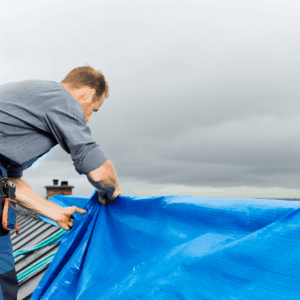
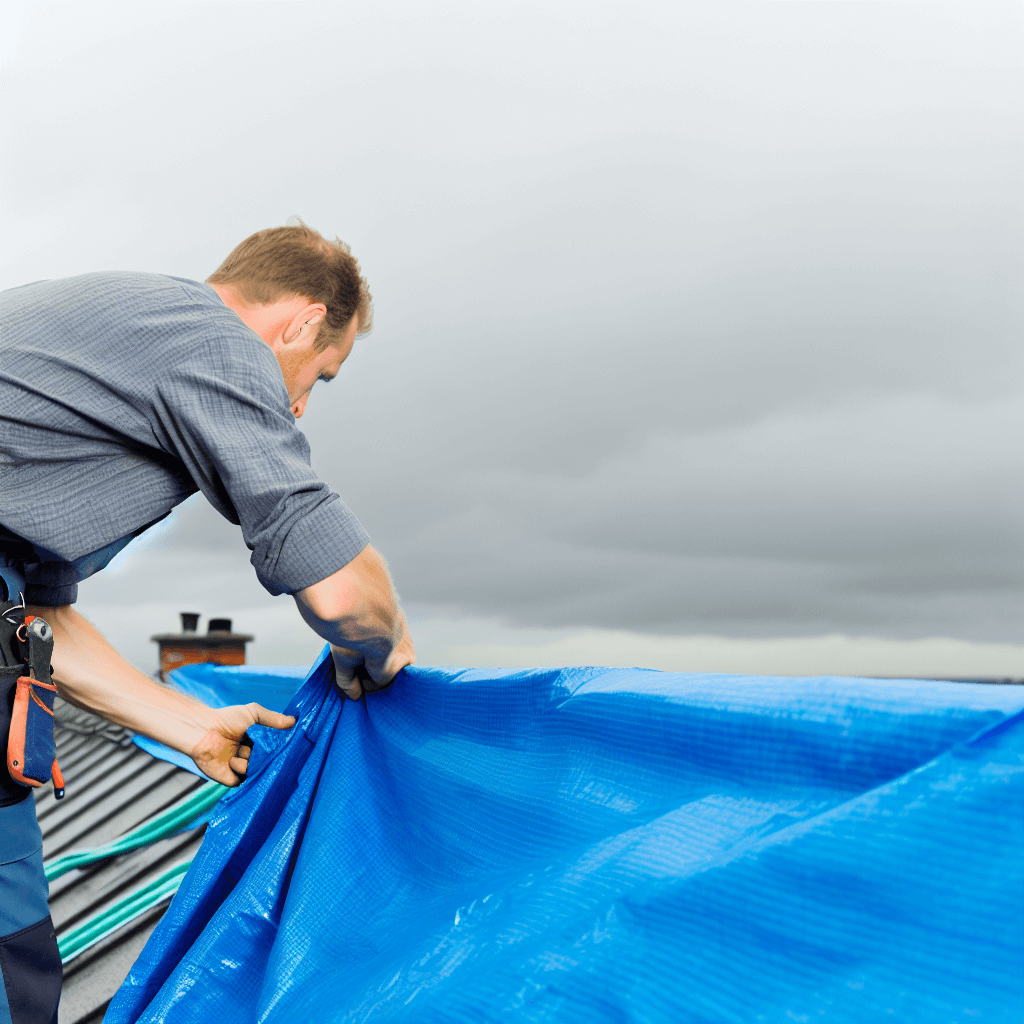
When faced with roof damage, temporary measures can help protect your home from further harm until professional repairs are made. Begin by applying a strong roofing tape or patch over small holes or cracks to prevent water ingress. For larger areas, a securely tied tarp that extends over the damage site is essential; it acts as makeshift shelter from rain and debris. Still, these are only stopgap arrangements—a professional evaluation from services experienced in emergency roof repair temporary solutions is necessary for a permanent fix.
Engaging Professionals for a Permanent Solution
While do-it-yourself approaches are useful temporarily, they cannot replace the expertise of skilled roofers who are trained to handle complex roof issues. Consulting roofing professionals can reveal underlying structural concerns that only an expert’s eye might catch, such as compromised roofing beams or flawed insulation. Such thorough inspections can unveil the need for more extensive repairs or even a full roof replacement, which only certified professionals should undertake. No matter the extent of the damage, engaging with a reputable provider will ensure that your roof receives the best care possible.
Step 1: Assess the Damage
Before attempting any temporary repairs, it’s crucial to determine the extent of damage to your roof. Grab a ladder and check for missing shingles, cracks, or holes. Look for signs of sagging or structural damage that may indicate a more serious issue.
Step 2: Clear Debris and Water
Ensure the affected area is free of debris, leaves, or pooled water. Use a broom or a blower to remove any loose materials and a rag or mop to dry the area as much as possible. A clean, dry surface is key for a successful temporary repair.
Step 3: Apply Roofing Tape or Sealant
For small cracks or holes, apply a layer of roofing tape or roof sealant. Press it firmly into place, ensuring that it adheres properly to prevent water from seeping in. For larger gaps, you may need to apply multiple layers.
Step 4: Secure Tarp for Larger Damages
If you’re dealing with a larger damaged area, use a tarp to cover it. Stretch the tarp over the damaged part of the roof, making sure it overlaps the undamaged areas to prevent leaks. Secure the ends with 2x4s or heavy objects to hold it in place against wind.
Step 5: Replace Missing Shingles
If you have missing or damaged shingles, slide a new shingle into place. If a new shingle isn’t available, a piece of sheet metal or plywood can be used as a temporary fix. Nail the edges securely into place.
Step 6: Check Inside for Leaks
After securing your temporary repair outside, head indoors to check the attic and ceilings for signs of water penetration. Place buckets to catch drips and remove any wet insulation to prevent mold.
Step 7: Document Everything
Take photos of the damage and your temporary fix. Documenting these details can be crucial for insurance claims and for when professional roofers assess the repair.
Step 8: Contact a Professional
While these steps can mitigate immediate water damage, they are not long-term solutions. Contact a professional roofing company like Charitable Roofing in Atlanta, GA, as soon as possible to plan for a permanent repair, especially as storms can be frequent in spring.
Avoiding Common DIY Roof Repair Mistakes
Tackling roof repairs can be a challenging undertaking for any DIY enthusiast. It’s an area where mistakes not only lead to increased damage but can also pose significant safety risks. Awareness of these common slip-ups and knowledge on how to sidestep them is essential for any homeowner looking to protect their dwelling.
Mistake 1: Neglecting Safety Precautions
Many homeowners underestimate the dangers of roof work. Always use a sturdy ladder, secure it properly, and wear non-slip shoes. Skip the DIY if you’re not comfortable with heights or uncertain about safety.
Mistake 2: Inadequate Damage Assessment
It’s easy to fix the obvious issues and overlook the subtle ones. Take the time to thoroughly inspect the roof for less visible damage beyond the evident leaks and missing shingles. Ignoring small problems can lead to bigger, costlier issues later on.
Mistake 3: Using Improper Sealing Techniques
A common error is applying sealant or roofing tape incorrectly, resulting in gaps where water can enter. Ensure that you press the material firmly in place and cover the entire damaged area. For larger holes, multiple layers may be necessary for an effective seal.
Mistake 4: Applying Temporary Fixes to Structural Damage
A tarp can handle superficial damage, but it’s not a catch-all solution for significant structural issues. If you observe sagging or severe structural damage, avoid the DIY route; it’s time to call professional roofing services.
Mistake 5: Delaying Professional Inspection
Perhaps the biggest misstep is treating temporary solutions as permanent. Roofing issues often require professional expertise to ensure long-term integrity. After applying temporary fixes, make the call to a trusted roofer without delay to avoid further complications.
Documenting for Your Protection
Documenting any damage and the steps you take is crucial for insurance purposes and future reference. Clear photos of the affected roof sections both before and after applying temporary fixes can bolster your claims. Should further roof restoration work be required, these records are invaluable for the contractors in devising a comprehensive repair plan.
Securing Lasting Quality with Expert Help
Ultimately, the goal is to transition from a temporary fix to a long-term solution that secures your home against the elements. For this, enlisting the help of established professionals like Charitable Roofing’s storm damage restoration service is a step towards enduring quality. With expert assessment and quality craftsmanship, your roof will be well-equipped to handle Atlanta’s dynamic weather year-round.