• Identifying Roof Damage: Learn how to spot the signs that may indicate your roof needs attention, distinguishing between surface-level repairs and deeper structural issues.
• Evaluation by Professionals: Understand the importance of seeking professional assessments to accurately determine whether your roof requires a full replacement or can be restored with repairs.
• The Best Solution for Longevity: Explore why professional roofing services are often the best investment for the longevity of your home, providing peace of mind and ensuring safety.
Identifying Critical Roof Issues
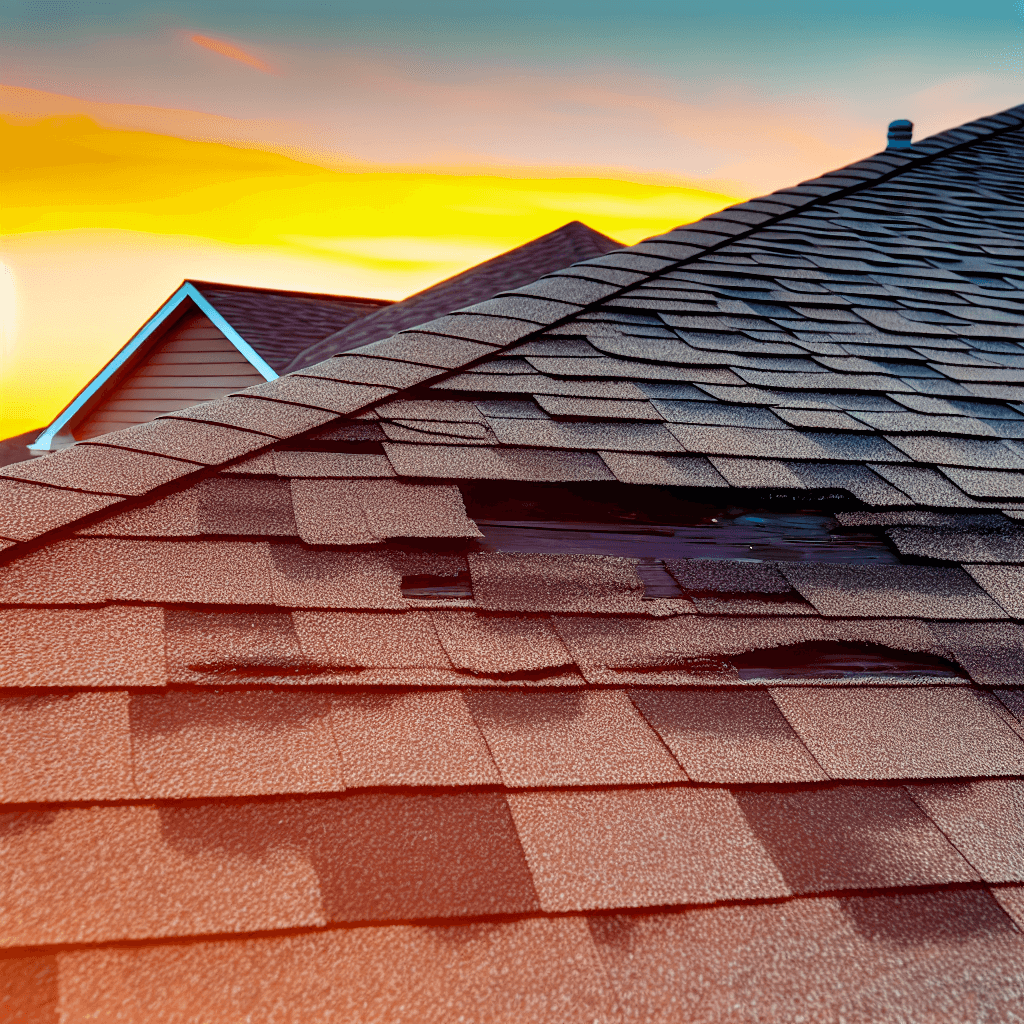
As the first line of defense against the elements, your roof shoulders a lot of responsibility, especially during the brisk winter months in Birmingham, AL. One of the most obvious signs that your roof may be in need of immediate attention is missing or visibly damaged shingles, which can compromise the protection of your home. Cracked and curling shingles are telltale indicators of wear and potential leaks, requiring swift action to prevent further damage. It is essential not to overlook such visual cues as they are often precursors to more severe problems.
When you spot these signs, it’s crucial to document every detail meticulously. Capturing images or jotting down notes provides you with a concrete reference when discussing potential repairs or replacements with professionals. Such documentation not only assist in tracking the progression of roof damage over time but also serves as a valuable aid in the assessment process. It’s a practical step that can significantly influence your decision-making and ensure that key evidence is not missed or forgotten.
Beyond visible signs, the age of your roof plays a pivotal role in determining whether a repair or full replacement is necessary. A roofing system approaching or surpassing the 20-year mark often requires more than a simple patch-up job, considering its prolonged exposure to weather and time. Similarly, discovering water stains or signs of leaks inside the house suggests that the damage might be extensive, and neglecting such issues could lead to larger, costlier complications down the line.
Assessing Roof Structure and Energy Efficiency
Inspecting the structural integrity of your roof is a critical step toward ensuring the safety and longevity of your home. Look for sagging areas, which may indicate underlying problems in the roof’s decking or support system that must be addressed promptly. If you notice any structural deformations, avoiding delays in professional assessment could prevent potential safety risks and financial strain. A structurally sound roof is not just about stability; it’s also about maintaining the overall aesthetics and value of your property.
Another aspect that often goes unnoticed is the roof’s role in your home’s energy efficiency. Drastic changes in your energy bills may signal deteriorating roof insulation, leading to heat loss during winter and excessive warmth in the summer. In Birmingham’s climate, where January can test the limits of your heating system, ensuring efficient attic insulation and airtight roofing is key to energy conservation and cost savings. To get a deeper understanding of insulation issues, consider contacting Charitable Roofing for specialized roof repair and maintenance services that could enhance your home’s energy performance.
Step 1: Recognize the Warning Signs
Understand the visual cues on your roof that indicate urgent maintenance, such as missing, cracked, or curling shingles.
Step 2: Document the Damage
Take photos or notes of the damages on your roof to help in assessing whether you need a repair or replacement.
Step 3: Assess the Roof’s Age
Evaluate the age of your roof; roofs over 20 years old may require replacement rather than just repair.
Step 4: Check for Leaks and Water Damage
Inspect your interior ceilings and attic for water stains or leaks, as these could suggest significant roof damage.
Step 5: Inspect the Roof Structure
Look for sagging or structural deformation, which can indicate broader issues necessitating a full roof replacement.
Step 6: Evaluate the Extent of Damage
Determine if the damage is localized (suitable for repair) or widespread (potentially needing replacement).
Step 7: Consider Your Energy Bills
Compare current energy bills with past ones; significant changes may suggest poor roof insulation, leading to the need for replacement.
Step 8: Consult with a Professional
Contact a reputable roofing specialist in Birmingham, AL to get a professional assessment on whether your roof requires a repair or replacement.
Common DIY Roofing Mistakes to Avoid
DIY approaches to roofing can be cost-effective and fulfilling, but they come with pitfalls that can lead to further damage or even personal injury. Homeowners should approach roof inspections and repairs with caution, armed with the right information to prevent common errors. Let’s delve into some practical mistakes to sidestep as you follow our essential guide to assessing roofing needs.
Mistake 1: Ignoring Safety Protocols
– Not using proper fall protection gear or failing to secure the ladder are accidents waiting to happen. Always ensure you have a sturdy ladder, wear non-slip footwear, and, if possible, use a safety harness when accessing the roof.
Mistake 2: Overlooking Small Leaks
– Even small leaks can escalate into major issues over time, leading to structural damage and mold growth. Address leaks immediately upon discovery, no matter the size, and regularly check for water damage in your attic and ceiling.
Mistake 3: Neglecting Weather Conditions
– Attempting roof work during inclement weather not only jeopardizes your safety but can also compromise the repair quality. Schedule inspections and repairs for clear, calm days to ensure the best working conditions and material adhesion.
Mistake 4: Improper Assessment of Roof’s Age
– Underestimating the significance of your roof’s age can result in recurrent repairs instead of the necessary replacement. If your roof is nearing or beyond the 20-year mark, consult a professional who can accurately assess whether it’s time for a comprehensive replacement.
Mistake 5: Missing the Bigger Picture
– Focusing too narrowly on visible damage can cause you to overlook other indicators of a failing roof. Remember to consider aspects like energy bills, which can reflect the underlying roof insulation issues, and seek expert advice to understand the full scope of your roof’s condition.
Mistake 6: Not Seeking Professional Help When Needed
– Overconfidence in one’s DIY skills can lead to larger, more expensive problems down the line. Recognize when an issue is beyond your expertise and don’t hesitate to contact a reputable roofing specialist to ensure your roof receives the proper care it needs.
Evaluating Damage and Professional Consultation
Once you’ve conducted your preliminary assessments, it’s time to evaluate the extent of the damage. Deciding whether to repair a few shingles or undertake a full roof replacement should be based on the proportion of the roof affected. If damage appears to be widespread, or if there are issues like multiple leaks or widespread mold, these are strong indicators that a larger intervention may be necessary.
With all this information in hand, the most prudent next step is to seek professional advice. A certified roofer can provide a thorough inspection and give you an informed recommendation on the best course of action. In the event of storm damage, or for a comprehensive service spanning repair to complete replacement, visit Charitable Roofing’s storm damage restoration services for expert assistance in Birmingham, AL.