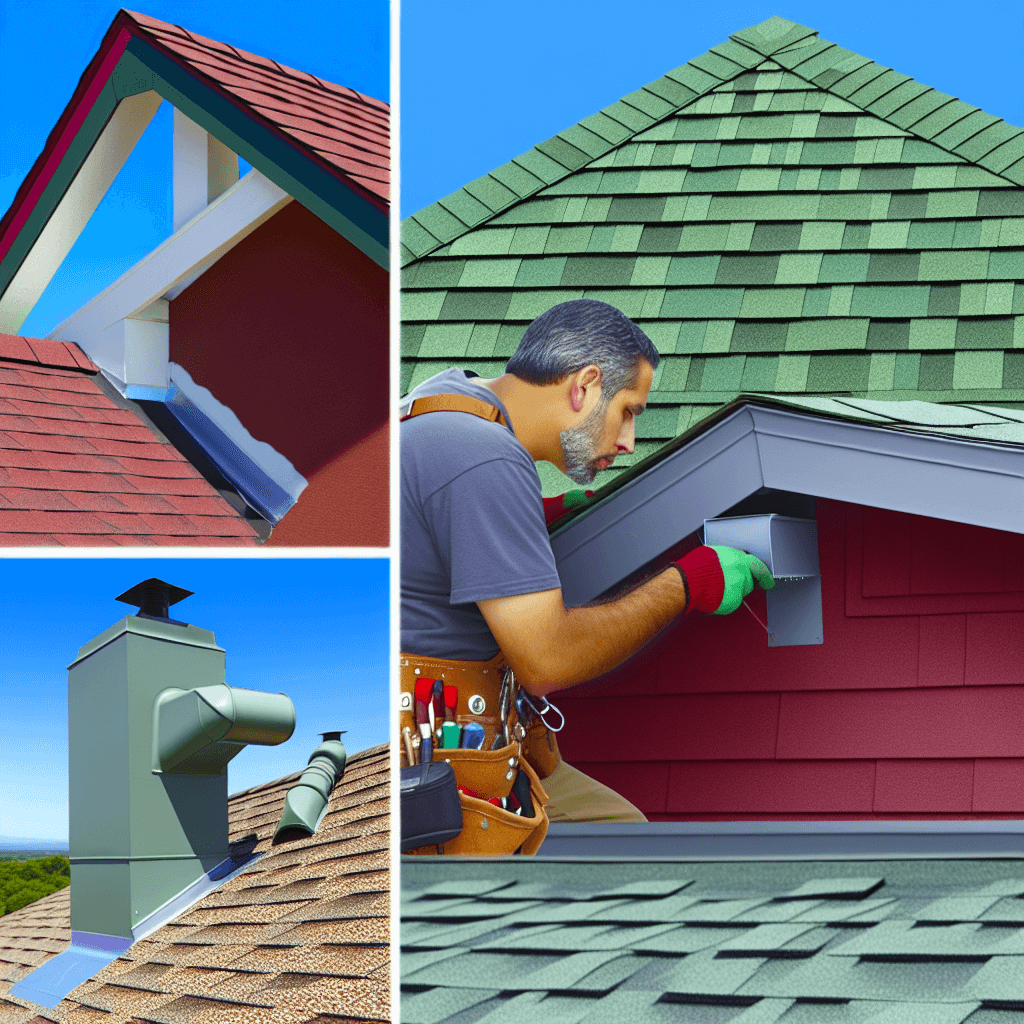
Understanding Ventilation: Why Your Attic Needs Attention
Your home’s longevity and your comfort level depend on something often overlooked: proper attic ventilation for different roof types. Inaccurate ventilation not only shortens the life of your roof but also thrusts higher energy bills upon you. Nashville homeowners, in particular, are subject to dynamic weather in spring, making this an ideal time for attic assessments. Moreover, effective ventilation ensures that the seasonal humidity and heat don’t warp your roofing materials or foster mold growth.
The Hidden Costs of Neglecting Your Attic
Neglect can lead to dire consequences, such as a compromised roof structure and deteriorated insulation. A stifling attic space not only strains your air conditioning system but can also invite the formation of ice dams in colder seasons, which is a prevalent concern here in Nashville. Correct ventilation establishes a pathway for outdoor air to cycle through your attic properly, safeguarding your home from these costly issues. Consider how smooth airflow from eaves to peaks can prevent premature shingle decay—an unpleasant surprise waiting to happen without proper care. Our experts at Charitable Roofing are ready to guide you through identifying and fixing any ventilation shortcomings.
What You’ll Discover in This Guide
As you read on, you’ll uncover the essential factors that comprise an optimally ventilated attic, specific to the type of roof sheltering your home. We’re set to demystify the intricate world of soffit vents, ridge vents, and other ventilation systems tailored to each roof design. Charitable Roofing takes pride in addressing the FAQs that resonate with our Nashville community’s concerns, ensuring you have all the knowledge at your fingertips. By the end of this article, not only will you be more aware of what your attic requires, but you will also understand the value Charitable Roofing brings to every shingle of your infrastructure. Stay informed, and your home will thank you for years to come.
Rooftop Requirements: Every Style Demands Unique Care
Nashville’s rich variety of homes brings about an equally diverse array of rooftops, each with their own needs for effective ventilation. One-size-fits-all solutions just won’t do; gable roofs might thrive with simple ridge and soffit vents, while hip roofs might need an entirely different strategy for air movement. Even the angle of your roof’s pitch can influence the type of ventilation necessary to prevent stagnation of air in your attic. Our variety of roof types that we work with at Charitable Roofing ensures that we approach your home’s needs with a customized plan. It’s this tailored expertise that enables us to protect your home through every season Nashville weather brings our way.
The Science of Ventilation: Beyond the Basics
Understanding attic ventilation goes beyond just knowing about different types of vents. It’s about comprehending the delicate balance of air intake and exhaust that changes from one architectural style to another. A home’s attic must breathe just right; too little airflow and condensation build, leading to mold, while too much can result in energy inefficiencies. That’s why at Charitable Roofing, every inspection for proper attic ventilation is done with an eye for detail, assessing space for optimum climate control and air quality. Specializing in ventilation, we also work to protect your attic against Nashville’s unpredictable storms, providing services that secure your home’s defense against storm damage.
Staying Ahead of Attic Issues: Proactive Measures
By reinforcing your attic’s defenses against Nashville’s changing weather, you safeguard not only the roof over your head but also the comfort within your home. Excellent attic ventilation is less about responding to problems and more about preventing them in the first place. Regular inspections can help catch concerns like blocked vents or insulation damage before they escalate into larger, costlier repairs. It’s essential to also ensure that new installations, such as solar panels or skylights, integrate seamlessly with your attic’s ventilation to maintain effectiveness. Charitable Roofing excels in such preventative measures, laying a foundation for a strong, healthy roof that stands the test of time and weather.
Insights From The Experts
Tip 1:
Ensure your attic has both intake and exhaust vents; intake vents located under the eaves allow fresh air in, while exhaust vents at the peak let hot, moist air escape, creating a balanced airflow.
Tip 2:
In winter, proper attic ventilation helps reduce the risk of ice dams forming at the roof’s edge, which can cause damage to both the roof and the interior of your home.
Tip 3:
When considering ventilation for different roof types, consult a roofing expert to determine the best ventilation system, as the requirements for a flat roof can drastically differ from those of a pitched roof.
Tip 4:
Check your attic insulation in conjunction with your ventilation; good insulation helps maintain temperature balance and prevents blocking ventilation pathways.
Tip 5:
Periodic inspection of your attic space can help identify potential issues early on, such as blocked vents, nests from pests, or any signs of mildew or mold indicating poor ventilation.
Expert Answers to Your Top Roof Ventilation Questions
How does attic ventilation affect the lifespan of my roof?
Proper attic ventilation helps regulate temperature and moisture levels, which, if left unchecked, can cause shingles to deteriorate and roof structures to rot, significantly shortening your roof’s lifespan.
What are the signs of inadequate attic ventilation that I should look out for?
Keep an eye out for rust on any metal components in the attic, a buildup of ice on the roof during winter, excessively high utility bills, and any signs of mold or mildew, which suggest poor air circulation.
What are the best types of vents for a metal roof versus a shingle roof?
Metal roofs benefit greatly from ridge vents combined with continuous soffit vents for balanced airflow, while shingle roofs can use a similar system or can be fitted with gable vents depending on the roof’s architecture.
How can I tell if my attic is adequately ventilated or if it requires additional vents?
A simple way to assess attic ventilation is to check temperature consistency with the outside; if your attic is much hotter in summer or colder in winter, it may indicate that more ventilation is needed.
Can too much ventilation be harmful, and how do I balance it properly for my roof type?
Excessive ventilation can create vulnerabilities and allow moisture and debris to enter; balancing requires a precise calculation based on your roof’s square footage and pitch, ideally done by a professional.
Busting Myths and Addressing Common Misconceptions
We often hear misconceptions about attic ventilation, particularly the notion that ‘more is always better.’ It’s crucial to understand that over-ventilating can be just as detrimental as under-ventilating, creating energy inefficiencies and potential weather-related vulnerabilities. Each roofing type demands the right amount of ventilation, as excessive unfiltered air can introduce dust and debris. At Charitable Roofing, we’re committed to dispelling these myths and ensuring your attic has exactly what it needs—not too much, not too little. Our roof repair services include a comprehensive assessment to strike the perfect balance in ventilation.
Final Tips: Ensuring the Health of Your Attic and Roof
Remember, your home’s needs are as individual as you are. When it comes to ventilation, the specifics of your particular roof are paramount. Whether you’re wondering about properly ventilating a newly converted attic space or ensuring an existing system is up to par, consulting with knowledgeable experts is key. These final tips are stepping stones toward a home that is energy-efficient, weather-resistant, and comfortable year-round. Keep in mind that vigilant maintenance can save you thousands in potential repairs; this is an investment in your home’s future that you can’t afford to overlook.
Why Wait? Secure Your Home’s Comfort Now
As we wrap up this discussion on attic ventilation, let’s emphasize the importance of proactive measures. Ensuring adequate ventilation for your roof type not only secures your home against the elements but also maintains its structural integrity. Don’t wait for obvious signs of distress; the absence of issues today does not guarantee the same tomorrow. Reach out to Charitable Roofing today to schedule an attic and roof evaluation. Take this opportunity to give your house the care it deserves, and enjoy the tranquility that comes with a properly ventilated home.